
In Pursuit of a Grain
Some seeds are not merely left in the earth.
Some seeds carry a memory of thousands of years.
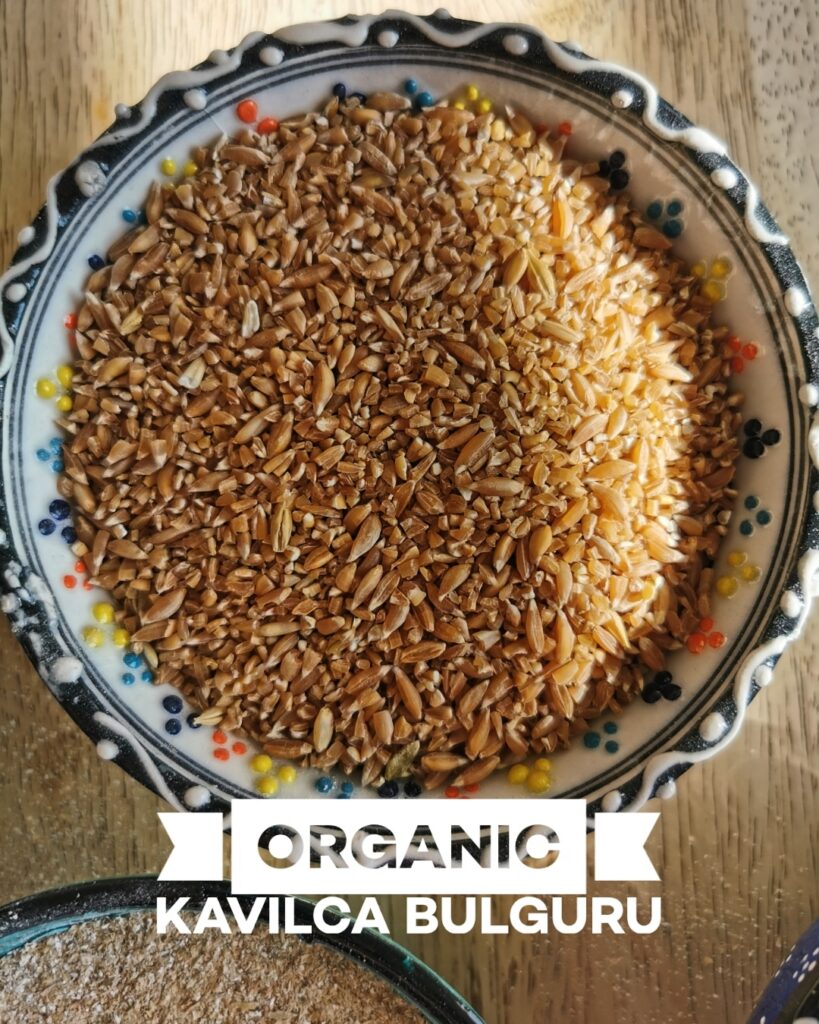
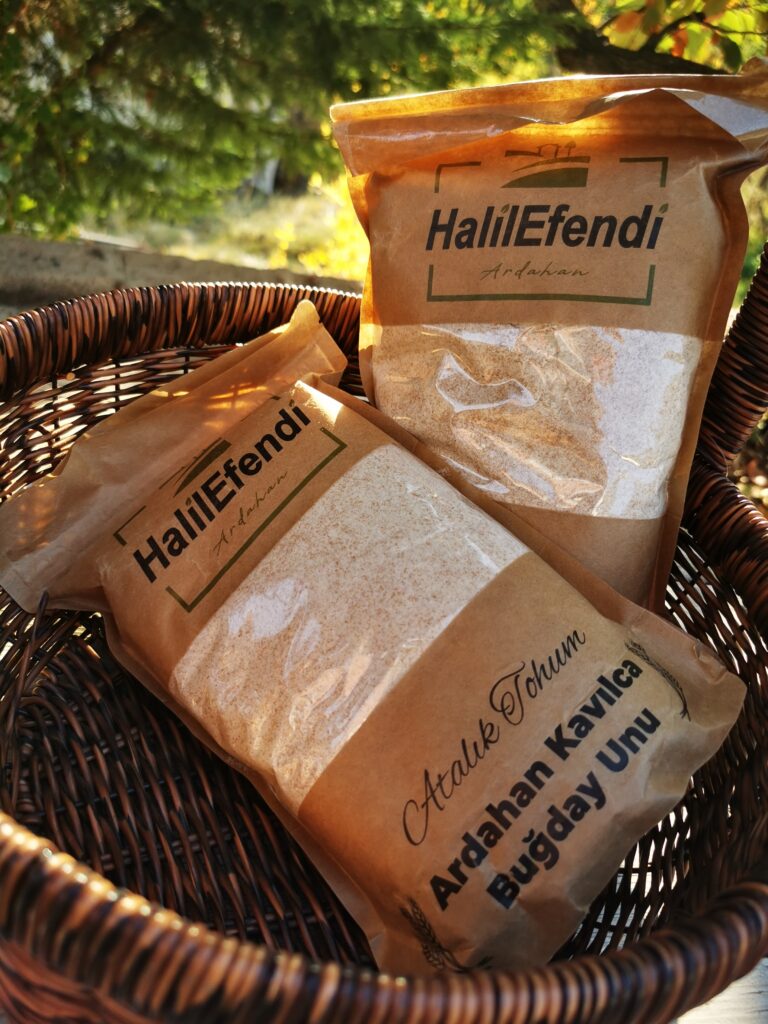
For me, Kavılca Wheat is just such a seed.
Since 1999, I have been tracing local seeds, ancient agricultural cultures, and geographical products.
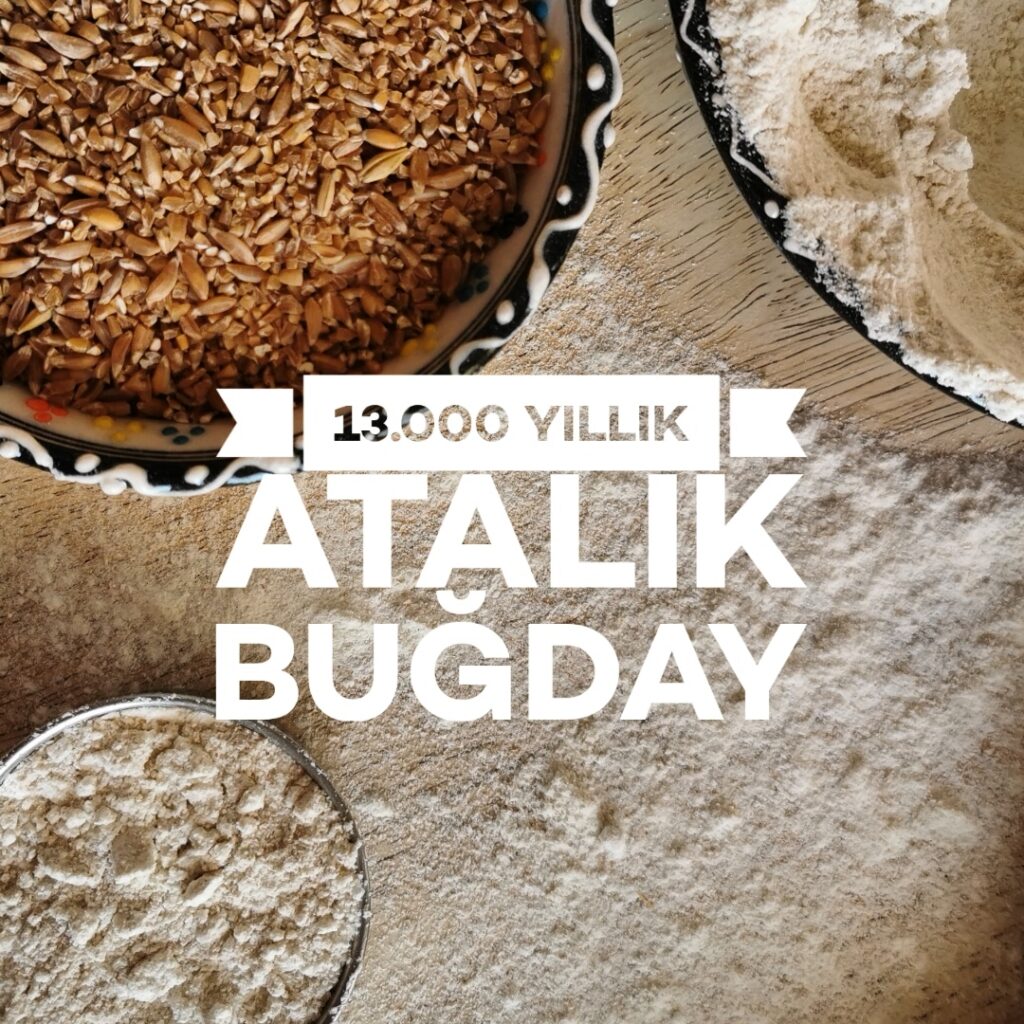
One of the most moving stops this journey led me to was the story of Kavılca, which began in 2019 in the Susuz Stream Valley, between Kars and Ardahan.
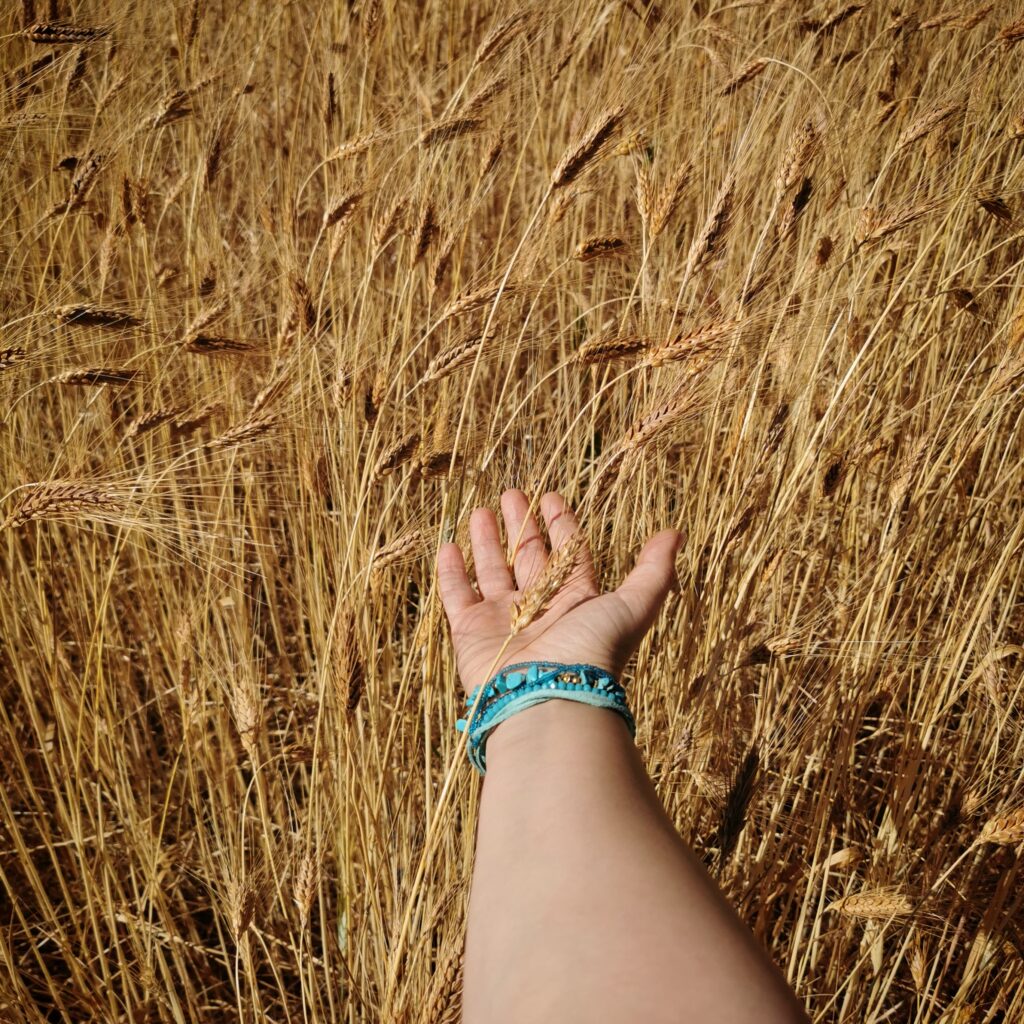
In Cilavuz, within this land that once carried the light of the Village Institute, I encountered an ancient story created together by the soil
and man.
The name of this story was Kavılca
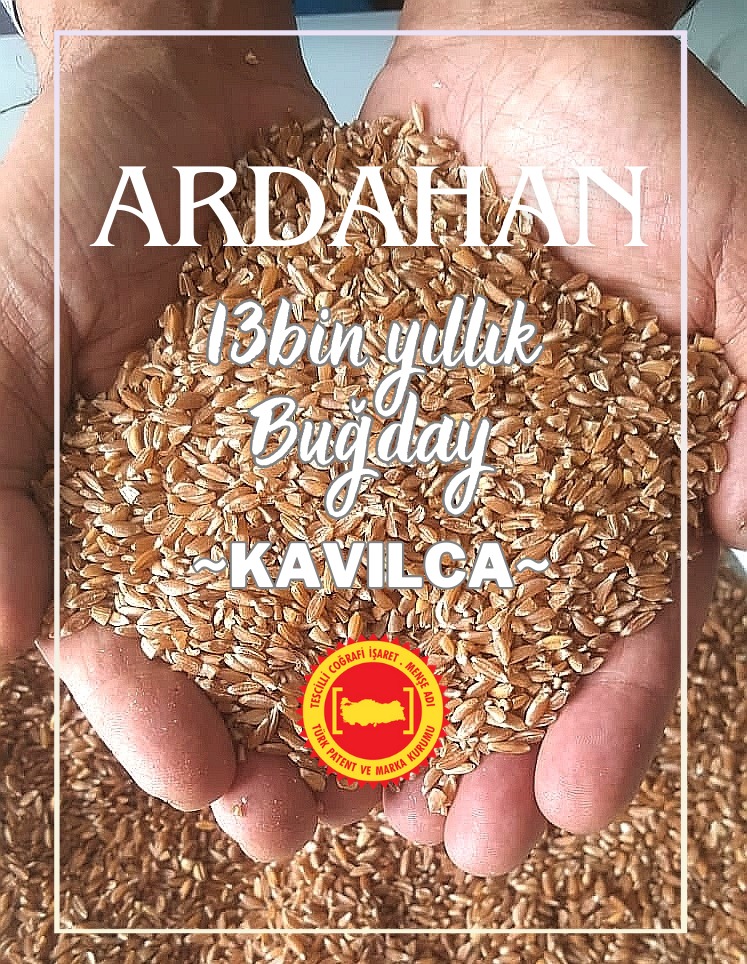
Tracing a 13,000-year-old memory
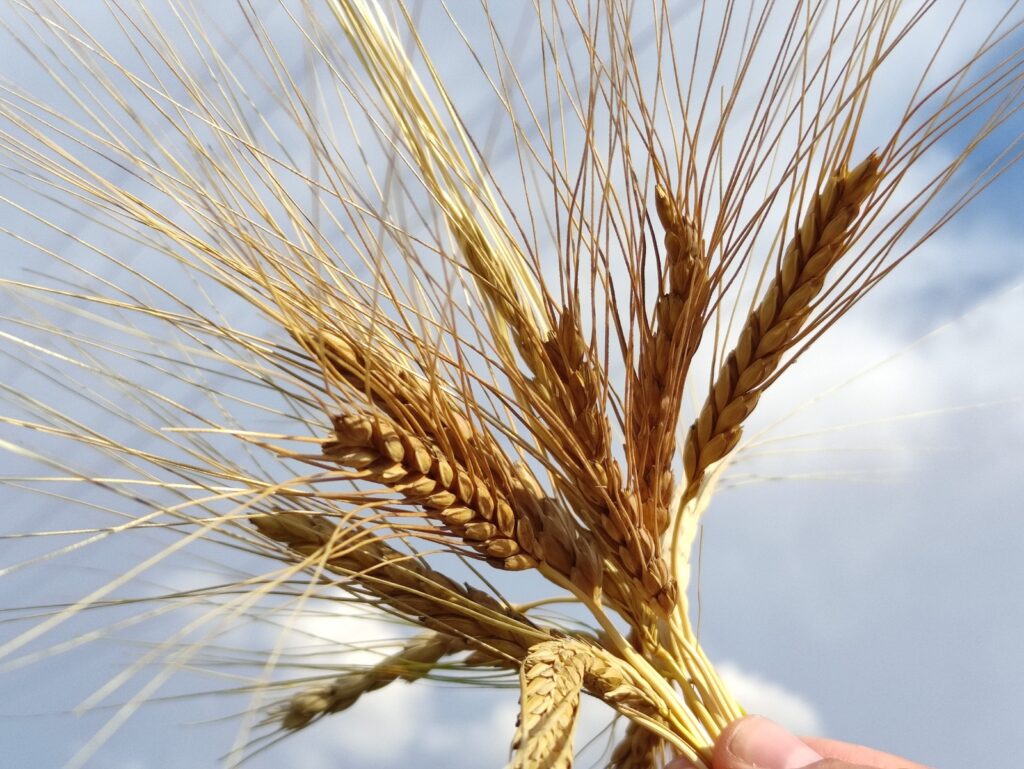
Triticum dicoccum, known in scientific literature as Emmer, is one of the oldest domesticated wheat groups in the agricultural history of humanity. It is tetraploid, meaning it has a 28-chromosome AABB genome structure. This structure represents a crucial step in the evolutionary history of wheat.
It is not merely a grain
Emmer has been cultivated in the ancient agricultural centers of Central Asia since very early times; over time, it has diversified across different landscapes and spread over a vast area.
It is a living agricultural heritage
Today, scientists continue to work on different models
regarding its origin and spread. The vast geography encompassing the Caucasus, Eastern Anatolia, and Iran is a crucial region for the genetic diversity and historical distribution of these ancient wheats.
What about gluten?
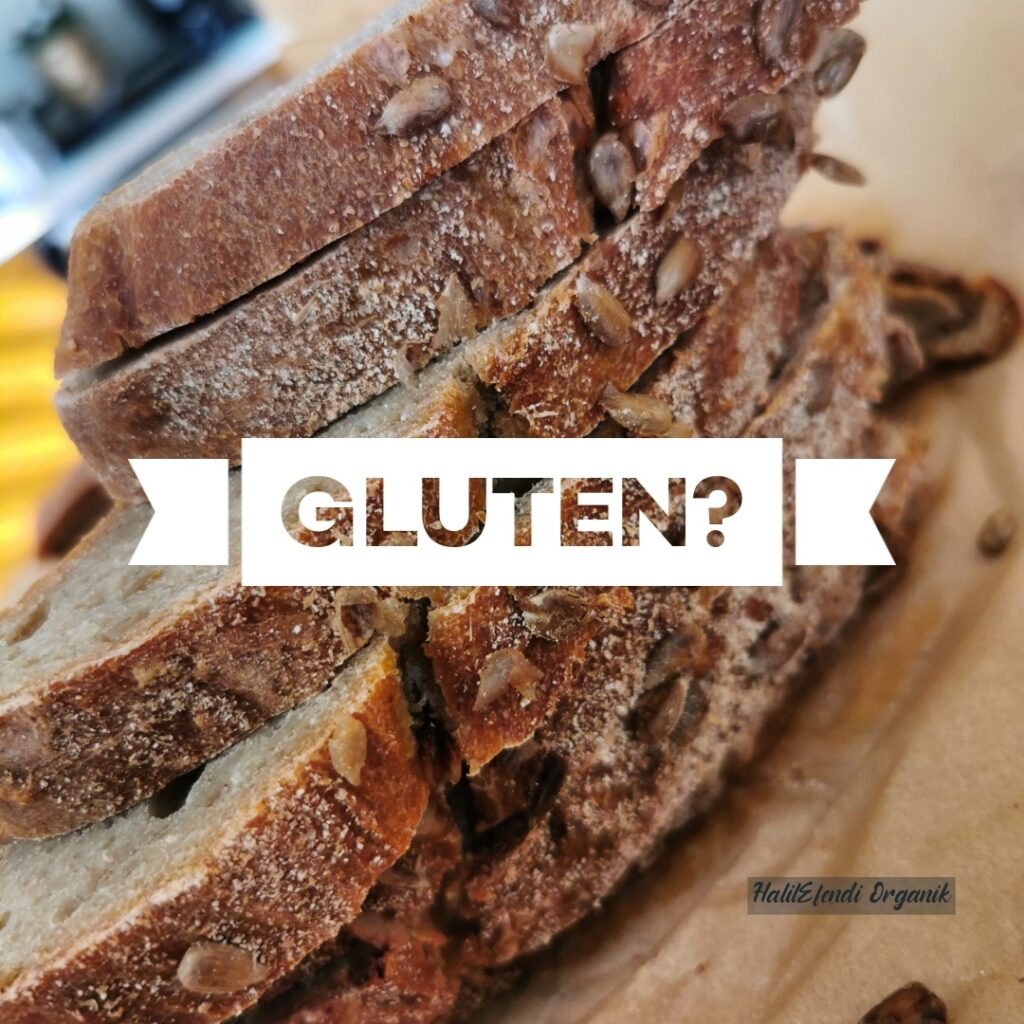
One of the most frequently asked questions when talking about Kavılca is gluten.
We must be very clear here: Kavılca is not gluten-free.
Emmer is a type of wheat that contains gluten, and we cannot say that scientific studies conclude ancient wheats are definitively safe for those with celiac disease. Therefore, we strongly recommend that individuals with celiac disease or those who must medically avoid gluten consume Kavılca only under a doctor's supervision and in a controlled manner.